
Bringing Outdoor Spaces to Life with Landscape Lighting Installations
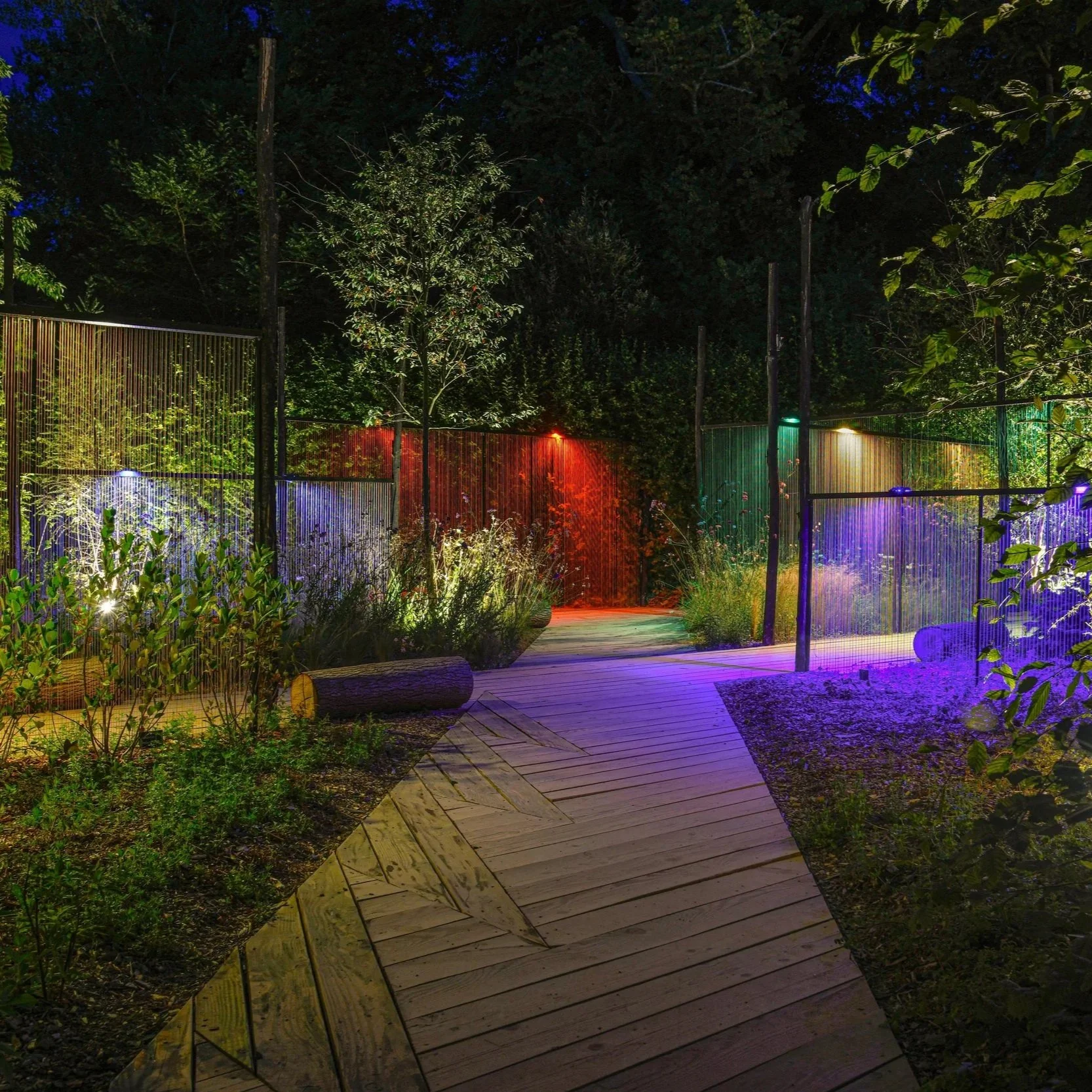
Outdoor lighting lives at the intersection of utility and design, blending seamlessly into hardscapes, plant beds, and architecture.
Landscape lighting changes everything. With the right setup, a simple yard becomes an experience, a quiet garden turns into a glowing retreat, and patios extend their usefulness well past sunset. Lighting doesn't just highlight plants and pathways—it transforms the entire mood of a space, giving it depth, warmth, and personality. It's functional, artistic, and surprisingly magical when done right.
Outdoor lighting lives at the intersection of utility and design, blending seamlessly into hardscapes, plant beds, and architecture. It's a behind-the-scenes feature that often steals the show.
A Subtle Glow That Works Overtime
During the day, carefully placed lights often go unnoticed. They tuck into beds, line walkways, or disappear into the folds of stone and wood. But once the sun drops, the magic clicks on. A garden path lit with soft pools of light feels welcoming and safe. A spotlight on a tree draws attention upward, turning branches into natural sculpture. Even the shadows start working in your favor, carving out drama and contrast where there was once only darkness.
In practical terms, landscape lighting improves visibility and adds a layer of safety to high-traffic areas. Path lights guide foot traffic. Step lights make stairs safer. Wall-mounted fixtures offer orientation. It's all working quietly in the background—just the way good design should.
The Power of Layered Light
A truly successful lighting installation relies on layers. One type of fixture rarely carries the whole performance. Accent lighting, uplighting, downlighting, and ambient washes each play a different role, contributing to the overall effect.
Accent lights draw the eye. They highlight focal points like statuary, water features, or signature plants. Uplights create drama by casting beams from the ground up, often illuminating tree canopies or architectural details. Downlighting, sometimes called moonlighting, softens patios and lawns with natural-looking glows from above. Ambient lighting sets the tone, offering broad, low-level light that washes over seating areas, decks, or dining zones.
When all these elements come together, the space feels intentional and immersive—not just lit, but designed.
Fixtures That Fit the Space
Not all lighting fixtures are created equal, especially when it comes to outdoor spaces. Durability matters. Fixtures need to handle rain, wind, dirt, and the occasional run-in with a stray soccer ball. Low-voltage systems are often favored for residential landscapes—they're safer, more energy-efficient, and easier to install in a variety of terrains.
Styles vary, but they should always support the landscape's aesthetic. Sleek black path lights blend into modern designs, while bronzed finishes look at home in traditional gardens. Flush-mount step lights add subtle visibility without visual clutter, and discreet well lights disappear into lawns or stonework during the day.
It's all about finding the right fixture for each job. The goal is to enhance, not overwhelm.
Highlighting Architecture and Hardscapes
Landscape lighting isn't limited to flower beds. Homes, walls, fences, and pergolas all benefit from thoughtful illumination. Wall grazing—a technique that uses light to skim the surface—brings out texture in brick, stone, or stucco. Columns look even more commanding when lit from the base. And even a simple retaining wall can become a nighttime feature with integrated LED strips or recessed lighting.
Decks and patios take on a second life with lighting installed under railings, beneath seating, or in stair risers. These details add functionality and create an inviting atmosphere, especially for evening gatherings. Suddenly, the backyard isn't a space to leave when it gets dark—it's a place to linger.
Setting the Mood with Color Temperature
Light temperature plays a bigger role than most people realize. Warm white tones (around 2700K to 3000K) create a cozy, inviting glow. Cooler tones (4000K and above) feel crisp and modern, but can sometimes verge on harsh in residential settings. Most landscape lighting tends to lean warm, blending better with natural materials and vegetation.
Consistency across the yard makes a big difference. Mismatched color temperatures can create visual tension or disrupt the overall flow. A well-lit space doesn't just shine—it feels unified, as if the light were part of the landscape itself.
Sustainable and Smart Solutions
Energy efficiency matters, especially for homeowners looking to light larger areas or run systems nightly. LED technology has made outdoor lighting dramatically more efficient, with long lifespans and low power consumption. Once installed, LED systems quietly hum along, needing little more than occasional cleaning or angle adjustment.
Smart lighting systems go a step further. Timers, motion sensors, and app-controlled zones allow for ultimate flexibility. Lights can be programmed to follow the sun, shift with the seasons, or change based on activity. Whether it's lighting the path when someone pulls into the driveway or dimming for movie night under the stars, smart systems add an extra layer of functionality.
The Role of Professional Design
DIY lighting has its appeal, but professionally designed systems offer a different level of polish. Landscape lighting design takes into account beam angles, shadow casting, fixture placement, and even soil types. It's part science, part art. Professionals map voltage drops to keep light levels consistent over distance. They know how to light a path without creating a runway and how to accent a tree without blinding the neighbors.
More than anything, they treat lighting as a design tool—not just a practical necessity. The result feels intentional, inviting, and distinctly personal.
Bringing the Outdoors to Life
A landscape without lighting can look beautiful during the day, but it often fades into darkness by dinner time. Lighting extends the life of outdoor spaces, making them usable and welcoming long after sunset. It invites quiet evening walks, al fresco dining, and impromptu stargazing from the comfort of the backyard.
The right lighting scheme doesn't just brighten a space—it activates it. It brings depth to flat lawns, intimacy to open patios, and a gentle glow to forgotten corners. With careful placement and attention to detail, even the smallest backyard can feel like a private retreat.
Lighting that Stays in the Background
Perhaps the best lighting is the kind you don't think about. It doesn't scream for attention or fight with the stars. It slips quietly into the background, enhancing everything around it while letting the natural beauty of the space shine. It's the extra layer that pulls the entire landscape together.
In the end, landscape lighting isn't about showing off. It's about showing up—night after night, quietly adding depth, dimension, and a little bit of magic to the outdoor world. And when the sun goes down, the story doesn't stop. It just starts glowing.
Enjoy various landscaping solutions in Chandler and surrounding areas with AZ Edge Landscaping. We excel in providing landscaping lighting, irrigation systems, tree removal, sod installation, and concrete removal services. Our owner offers accurate, free quotes and is committed to streamlining the process, ensuring constant communication and attention to detail. Call us!